September 18, 2026 · 9 min read
WhatsApp Maintenance Planning for Commercial Kitchens
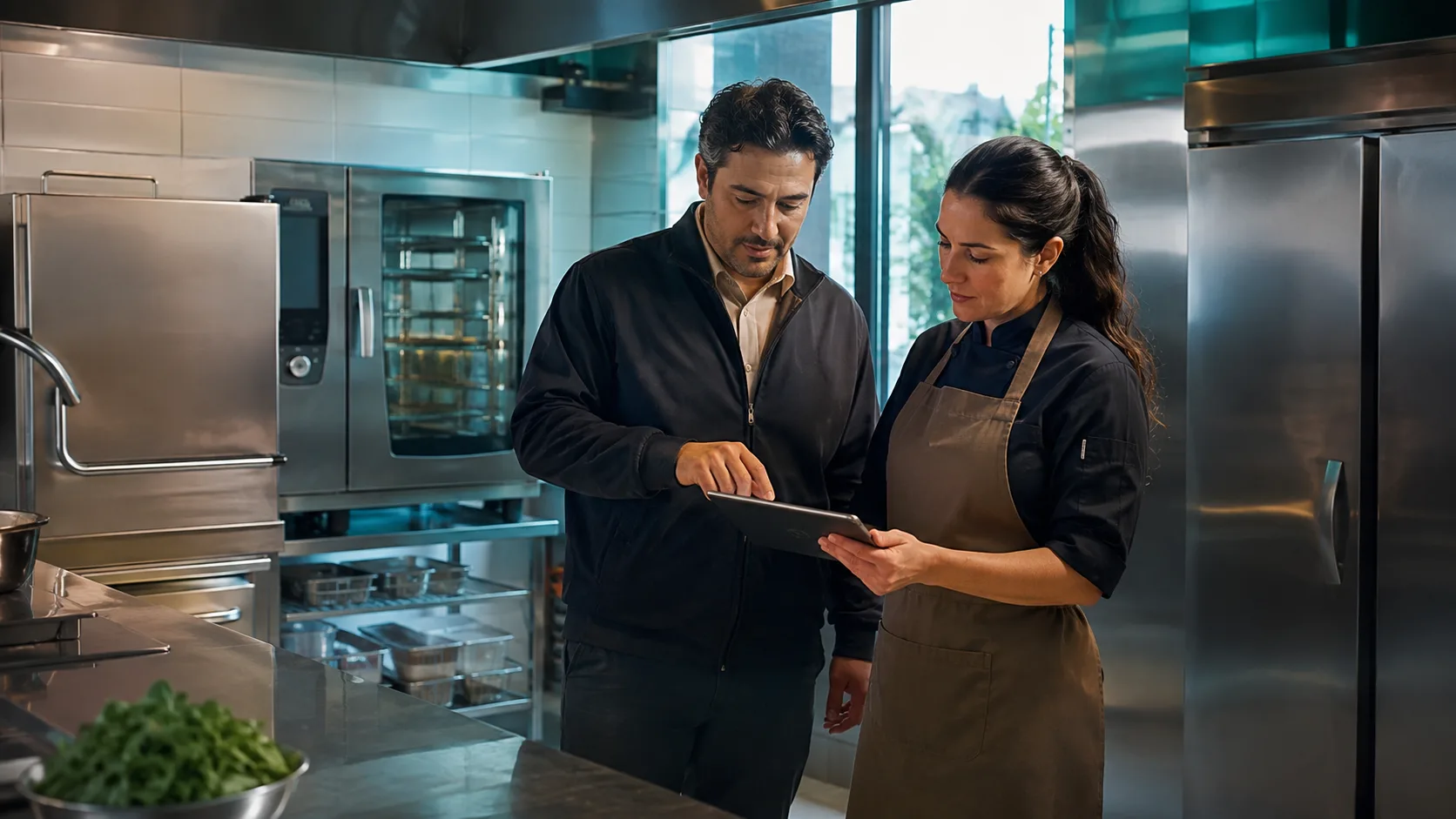
At a hotel or busy restaurant, a maintenance request often starts with one sentence: ‘Our ovens are due for service; can we arrange a date?’ The service company still needs the equipment type, make and model, quantity, last visit, operating intensity and site-access conditions. A structured WhatsApp flow collects these details in sequence, turning a scattered message thread into a maintenance pre-intake record that a technician can assess.
Separate Maintenance Requests from Fault Reports
Planned maintenance covers predictable work such as inspection, cleaning, adjustment and evaluating parts against manufacturer guidance while equipment is operating normally. A suspected gas smell, smoke, electrical leakage, overheating or a completely stopped critical appliance belongs in a separate urgent-fault process. The assistant should make this distinction first and transfer any safety signal to authorised service personnel without giving remote repair instructions.
Identify the Equipment Before Scheduling
‘Oven’ is not enough information to prepare a visit. Capture category, make, model, serial number, energy source, quantity and location as separate fields. A rating-plate photograph can help, but any serial or model read from an image should be confirmed by the customer. This prevents similar appliances at the same site from being mixed up.
| Information | Why it matters | How to verify |
|---|---|---|
| Equipment identity | Correct scope and documentation | Rating plate + customer confirmation |
| Last service date | Interval and work history | Service label or record |
| Operating intensity | Timing and inspection priority | Daily operating window |
| Site conditions | Access, hygiene and production plan | On-site contact confirmation |
Do Not Turn the Maintenance Interval into an Automatic Verdict
The assistant may record the last service date and the customer's preferred period, but it should not declare one universal interval for every appliance. Manufacturer instructions, operating intensity, environment and earlier findings can change the assessment. Authorised technical staff should determine and record the final interval.
Fit the Site Visit Around Kitchen Operations
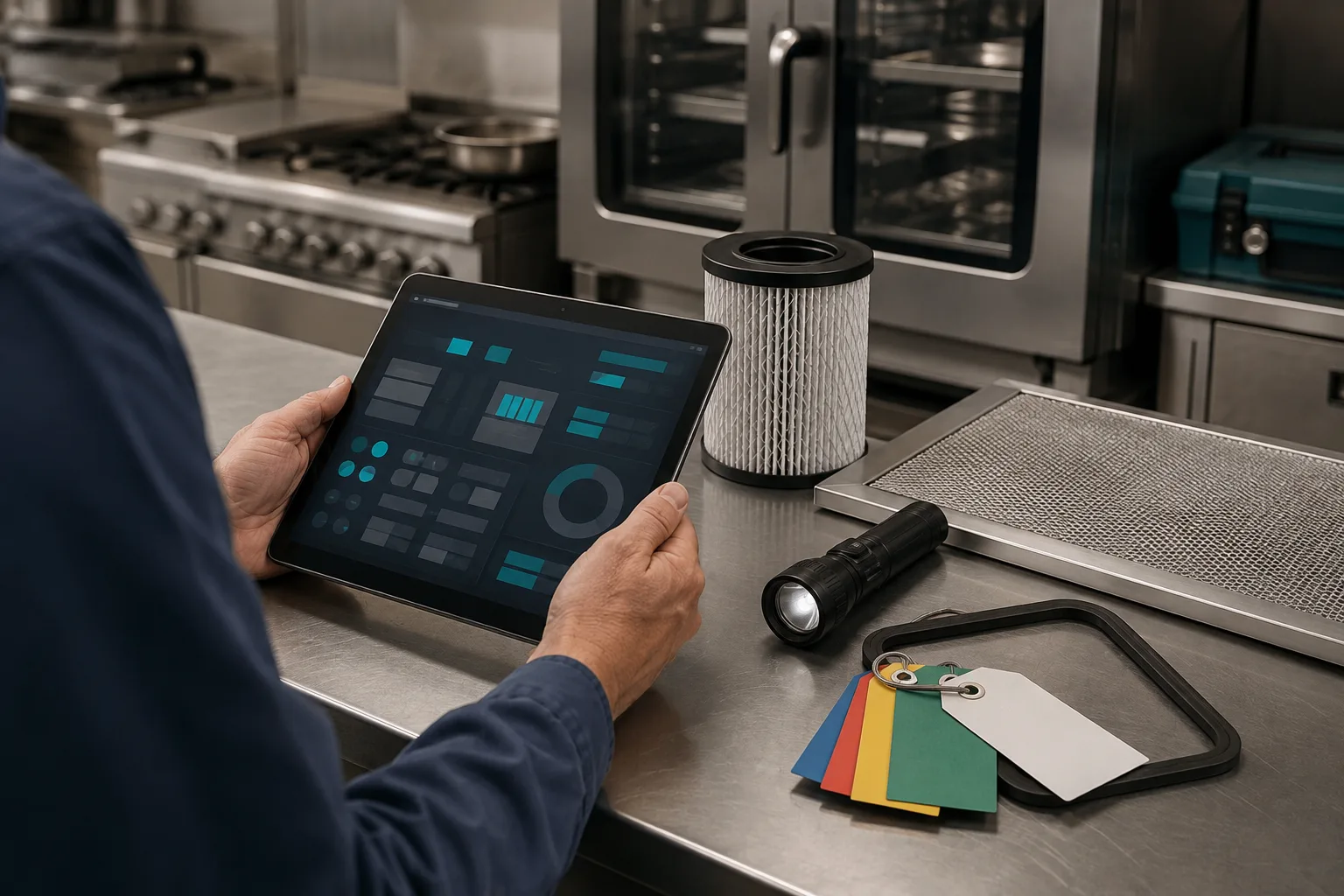
Simply asking ‘Which day suits you?’ is rarely enough. Breakfast service, lunch preparation, cold-chain continuity, equipment cool-down and access to technical areas all affect the visit. The flow should collect a preferred date range, when the appliance can stop and who will meet the technician.
Minimum Information for the WhatsApp Flow
- Site name, full address and on-site contact
- Equipment type, make and model, serial number and quantity
- Last maintenance date and any known previous work
- Any unusual sound, smell or performance change
- Daily operating hours and an acceptable shutdown window
- Hygiene, access, parking or loading-area requirements
- Communication preference and requested appointment range
Keep Photographs and Documents Proportionate to the Purpose
A rating plate and a general layout photograph may improve preparation, but the flow should not request employee faces, customer information or unrelated kitchen areas. KVKK principles require personal data to be collected for specific purposes and remain relevant, limited and proportionate. Retention and access should follow the service firm's actual operational need. The authority's general principles for processing personal data provide a useful design checklist.
Keep Service Communication Separate from Marketing Permission
Answering a customer's maintenance request does not create unlimited permission for campaigns. Business-initiated WhatsApp notifications require an appropriate opt-in record for the stated communication. Meta's WhatsApp opt-in guidance says the business and the types of messages should be clear. Store request-status communication and promotional permission separately.
What Should the Technician's Pre-Intake Summary Contain?
The summary should preserve the source of customer statements and show the equipment list, maintenance objective, safety signals, preferred window and missing fields. It must not invent conclusions such as ‘maintenance is definitely sufficient’ or ‘no replacement part is needed.’ A technician reviews the summary, calls for clarification where necessary and confirms the scope before fixing the appointment.
Measure Record Quality, Not Just Appointment Volume
Useful measures include complete equipment-identity rate, conversations requiring human help, incorrect urgency classifications, requests for extra information before the visit and corrections made by field staff. These signals reveal which question creates friction. The staged questioning in our B2B lead qualification chatbot guide can be adapted to maintenance intake.
A Controlled Maintenance Pre-Intake with BozLat
BozLat can turn WhatsApp conversations into structured equipment and site fields, expose missing information and send the technical team a sourced summary. Diagnosis, safety decisions, maintenance intervals and final appointment approval remain with authorised people. You can review volume-based options on the pricing page.
Frequently Asked Questions
Related Articles
9 min read
Property Manager WhatsApp Maintenance Request Automation
Turn resident maintenance messages into structured jobs, route them to the right team and keep people informed without losing requests in busy WhatsApp threads.
5 min read
WhatsApp Order and Special Occasion Reminder Automation for Florists
How do florists manage taking orders, same-day delivery questions, and special occasion (anniversary, birthday) reminders with a WhatsApp AI assistant?
5 min read
WhatsApp Quote and Moving Appointment Automation for Moving Companies
How do moving companies manage price quote requests, moving date appointments, and moving day reminders with a WhatsApp AI assistant?
Ready to set up an AI assistant for your business?
View Pricing