October 21, 2026 · 12 min read
Instagram DM Project Briefs for Architectural Models
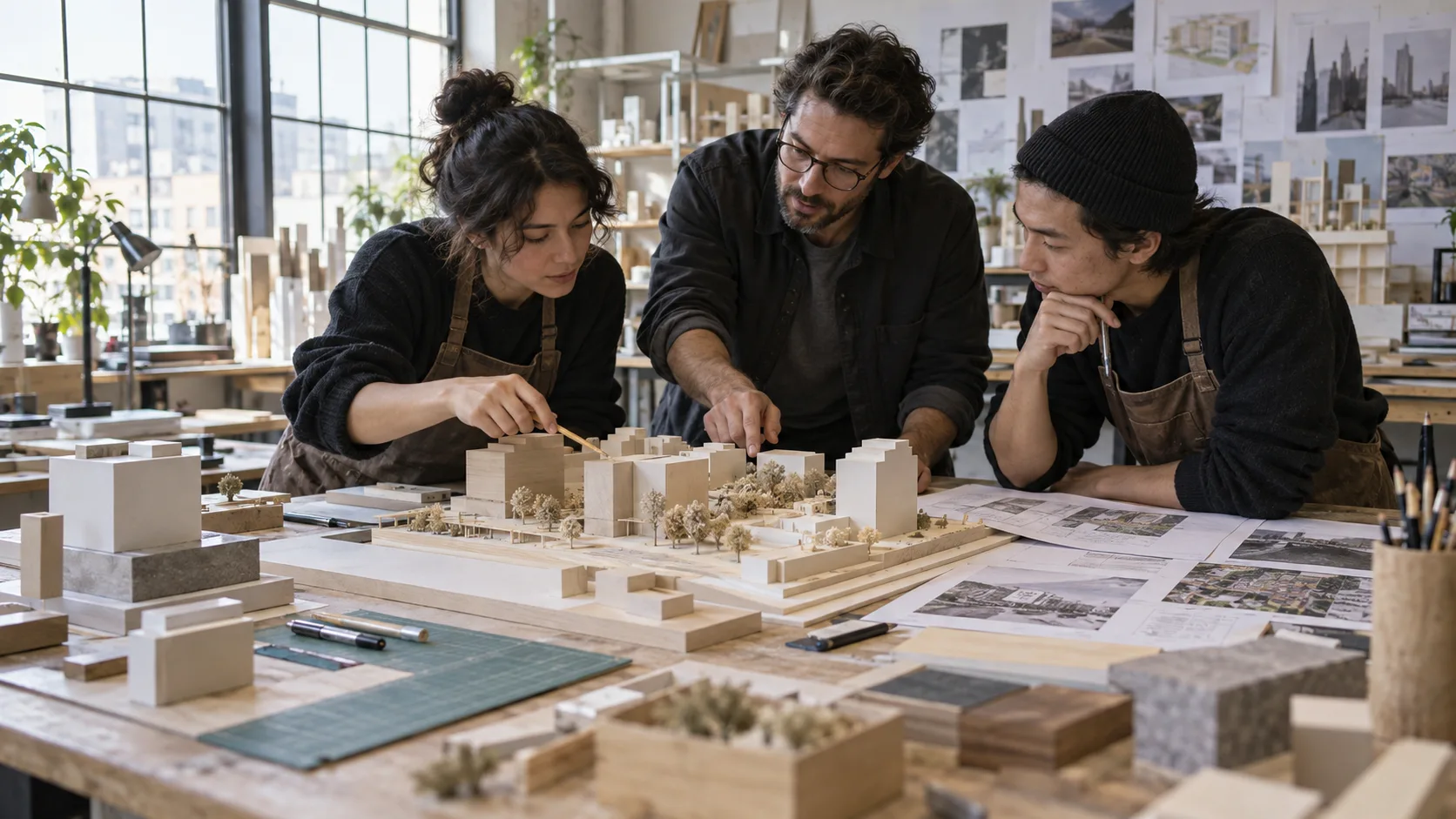
An architecture practice sends one render through Instagram and asks for a price in time for an exhibition. The image may be attractive, but it does not define model scale, physical boundary, detail level, lighting, transport or approved delivery date. This guide shows architectural model workshops how to turn a DM enquiry into a sourced pre-project brief without pricing too early under sales pressure.
What business decision should the first DM prepare?
The first message should not create a fixed quote or production promise. The workshop needs to know whether the model is for a presentation, competition, sales suite, exhibition, public review or design study. It then decides whether the files support an initial assessment, whether the job fits its services and which specialist should take ownership. The customer should see which facts need verification before a quote can be issued.
Which fields stay separate in the project brief?
Project purpose, scale, physical model boundary, building and site scope, detail level, materials, moving or illuminated elements, quantity, target date, delivery location and budget context are separate fields. Customer statements, estimates extracted from drawings and workshop approvals must not share one status. When source and version remain visible, a new file cannot silently change an older scope.
| Brief field | Customer input | Workshop verification |
|---|---|---|
| Scale | Preference or intended use | Practical model scale |
| Scope | Building and site boundary | Elements to manufacture |
| Appearance | Material and detail expectations | Samples and production method |
| Delivery | Target date and location | Approved production and logistics plan |
How does intended use affect detail level?
A large site model viewed from a distance and an apartment model inspected closely do not require the same detail. Ask about audience, viewing distance, display period, photography or video and whether visitors will touch it. The assistant does not choose detail level. It uses approved workshop examples to classify expectations. A visual reference is not a manufacturing method, and a render cannot guarantee a physical result.
How are scale and physical boundaries clarified?
Collect preferred scale, maximum display dimensions and the plot or floor boundary included in the model. Do not infer building size from a screenshot. Even when a scale is shown, verify drawing units and print ratio. Record model base, protective cover, plinth and transport case separately from product dimensions. The model maker and project owner decide practical feasibility.
Which drawings and files support initial review?
A site plan, floor plans, sections, elevations, a three-dimensional model, facade material information and landscape data may be needed according to project type. DM should request only the necessary sample or file list rather than a complete archive from every customer. Record file format, units, coordinates, version and owner. Password-protected, damaged or incomplete files are not interpreted automatically and move to an approved transfer route.

How should material and appearance expectations be discussed?
General terms such as wood, acrylic, card, resin or print do not define a final product. Record expectations for colour, transparency, texture, sheen and durability. Screen colour is not physical sample approval. The workshop verifies available materials, supply and production method. The assistant must not present an unavailable finish as stocked or treat a sample from another project as a guarantee of the same result.
Where do lighting, movement and electronics requests stop?
Interior lighting, facade light, moving parts, buttons, sensors and screens are separate features. The assistant records the requirement and use case only. Electrical design, power supply, connections, heat, maintenance and suitability for the venue belong to technical specialists. Do not provide wiring instructions through DM. Questions about visitor use, transport and safety move to human review.
How should revision and approval states work?
A concept image, production drawing, material sample, progress photograph and final acceptance are not interchangeable. Every approval needs a visible version, scope, decision owner and date. A new message does not automatically invalidate an earlier approval; affected components are identified explicitly. The workshop explains its real revision terms from the quote. Automation must not approve a design or select on behalf of the customer.
How does a target date become a credible plan?
An exhibition or presentation date is an important target, not a manufacturing approval. File checks, scope confirmation, samples, sourcing, cutting, assembly, finishes, testing, packing and transport are separate dependencies. Do not promise holiday, capacity or shipping assumptions without current sources. A responsible person compares the target with the production plan and records the accepted date in the quote and project record.
What scope summary is needed for pricing?
A quote may reflect scale, physical size, number of structures, detail level, landscape, materials, lighting or movement, plinth, protection, packing, transport and installation. The Instagram flow must not derive unsupported pricing from render count or floor area. The price-question guide helps progress while inputs remain incomplete. The person reviewing the files approves final scope and price.
How should rights and design questions be handled?
The customer identifies its authority to share drawings and any publication limits under the workshop's procedure. The assistant must not decide ownership, treat third-party imagery as free to use or promise an exact copy of another workshop's model. Unclear licence, competition confidentiality or publication questions go to the project owner and, when needed, specialist review. The flow records and routes these issues; it does not provide legal advice.
How are confidential project files protected?
Unreleased designs, addresses, security plans and customer identities should be collected only as needed for assessment. The authority's processing principles require a specified purpose and limited, proportionate data. The workshop defines access, retention, sharing and deletion ownership. DM history should not become the production archive; sensitive files move through approved transfer and project-record systems.
What are the technical boundaries of Instagram DM?
Meta's official Instagram Messaging API documentation describes professional accounts, permissions, access tokens and message-handling conditions. Do not assume automation can message every account without limits. Before launch, test text, media, attachments, failures and human handoff with a real test user. The Instagram DM automation guide provides broader channel setup context.
What should pass from DM to the workshop team?
The summary includes customer and project owner, intended use, scale, physical boundary, drawing list, material and detail expectations, special features, quantity, target date, delivery location, confidentiality and open questions. Customer statements, automated file summaries and specialist verification stay separate. The human handoff guide supports ownership transfer, while the knowledge-base guide helps maintain material and process sources.
Which scenarios belong in the pilot?
- Send only a render; the flow should ask for scale and physical boundary.
- Upload a drawing without units; the system must not estimate dimensions.
- Send a facade file that differs from the previous version; the controlling version needs confirmation.
- Request an unavailable material; the flow must not promise price or supply.
- Present an exhibition date as a fixed delivery; it must remain unconfirmed without human review.
Do not measure success by how quickly the DM closes. Track files requested again by the workshop, incorrect scale assumptions, finishes changed after samples, transport limits discovered late and scope changes after quoting. Calculate brief readiness from required fields with identifiable sources. Human corrections should update question order and the knowledge base. Reported results should state project type and measurement period.
What can BozLat do for architectural model enquiries?
BozLat can structure purpose, scale, scope, files, materials, features, delivery and confidentiality from Instagram DM, expose gaps and pass a sourced summary to the workshop. Technical feasibility, rights assessment, material selection, manufacturing method, fixed pricing and delivery approval remain with specialists. Explore the approach in services and compare business options on the pricing page.
Which quoting mistakes occur most often?
Common mistakes include treating a render as a production drawing, confusing scale with physical size, adding landscape automatically, accepting screen colour as a sample and turning an exhibition date into a delivery promise. Discovering the transport case, plinth or protective cover at the end also changes scope. The flow should use approved file lists, material options, production stages and exclusions, leaving unsupported detail as an open question instead of filling it in.
Frequently Asked Questions
Related Articles
9 min read
Instagram DM Site Briefs for Prefabricated Home Buyers
Qualify prefabricated-home enquiries by location, plot status, intended use and delivery scope in Instagram DM, leaving technical and legal approval to experts.
11 min read
Instagram DM Project Briefs for Bespoke Lighting Studios
Separate reference images, dimensions, materials, quantities and fitting expectations in Instagram DM to prepare a useful brief before a bespoke lighting quote.
9 min read
Instagram DM Print Quote Intake for Commercial Printers
Collect size, quantity, stock, colour, finishing and delivery details through Instagram DM, then prepare a production-ready print quote brief for your team.
Ready to set up an AI assistant for your business?
View Pricing