September 6, 2026 · 10 min read
WhatsApp Event Quote Automation for Catering Companies
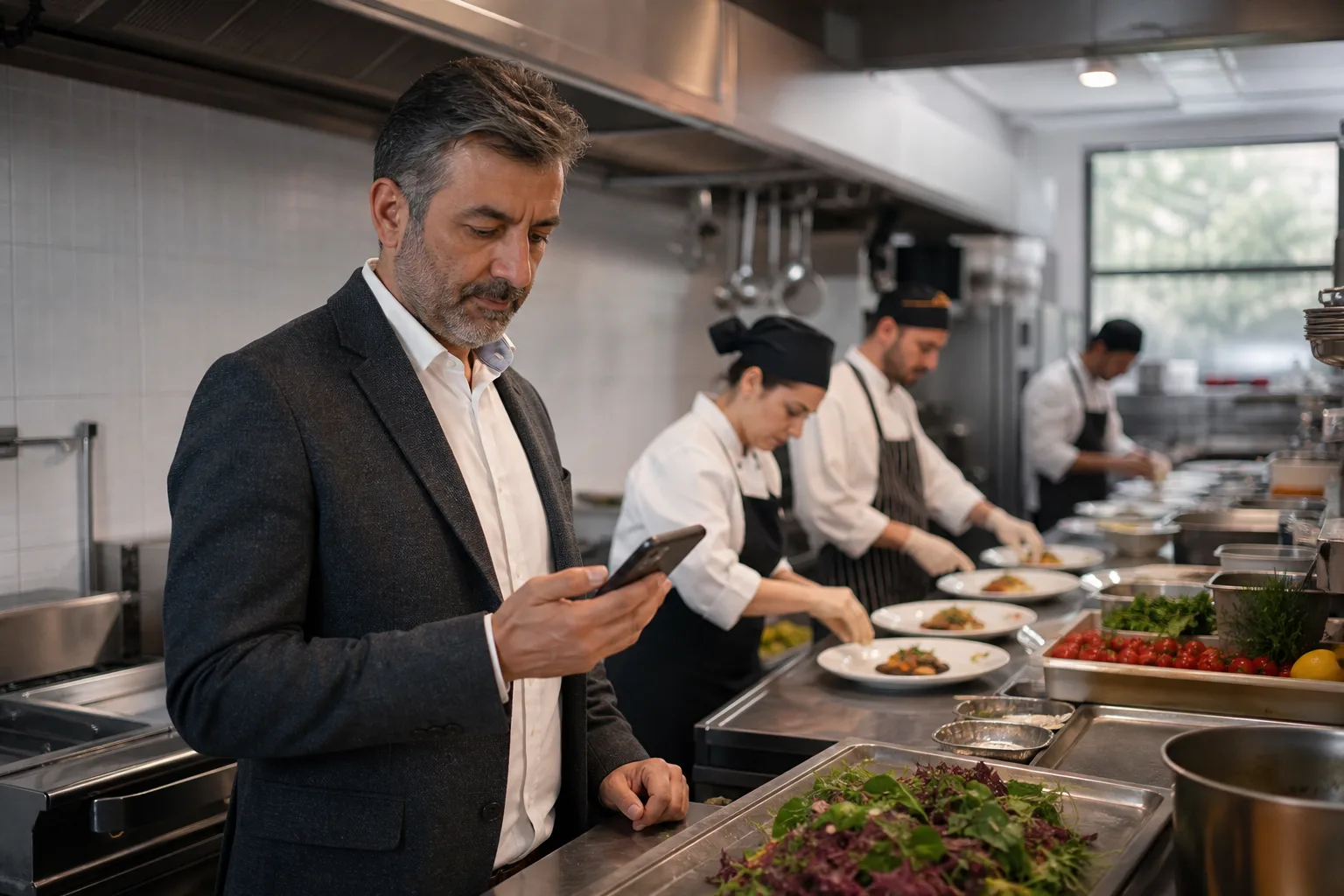
A message asking, “How much would food for 100 people cost?” is not enough to prepare a catering quote. Without the date, venue, service format, menu expectations, dietary requirements and equipment scope, a quick number either looks unnecessarily high or becomes an incomplete promise that loses money. WhatsApp quote automation should not force a prospect through a long form. It should collect what the sales team needs through a short, natural and ordered conversation.
Start with Fit, Not with a Price
First establish whether the request fits the company's service. Event date, district or venue, estimated guest count and event type are the four basic filters. If the date is full, the assistant should not continue discussing price. It can offer a genuinely available alternative date, wait-list or delivery-only option. Requests outside the service area also deserve a clear boundary rather than a vague promise to respond later.
This keeps the sales team focused on viable opportunities without turning automation into a wall that dismisses people. A small gathering may not fit today's packages, but recording the count, date and preference can support a suitable option later. The objective is to route the conversation correctly, not merely to end it.
Divide Quote Information into Layers
| Layer | Information to collect | Why it matters |
|---|---|---|
| Fit | Date, location, event type and guest count | Calendar and service-area check |
| Menu | Service style, meal, dietary needs and children's menu | Production and portion planning |
| Operations | Kitchen access, setup time, staff and equipment | Field labor and logistics |
| Commercial | Budget range, billing details and decision date | Package choice and follow-up priority |
Sending every question in one message reduces completion. Finish the four fit questions first, then reveal only relevant detail. If the prospect selected a buffet, asking about the number of table-service waiters may be unnecessary. If the venue supplies furniture and service equipment, adding an equipment catalogue to the conversation wastes time.

Do Not Store Guest Count as One Number
Adults, children, event staff and suppliers may have different implications for catering. Capture the estimated total first and then ask for a breakdown when needed. If the final count is unknown, do not treat that as an error. Store “estimated 120” and “final number seven days before the event” separately. The quote should state which number the calculation uses.
Rules must also define how a changed count affects price and operations. The assistant should not invent a new total; it should display the result from an approved rate table or quote engine. Presenting an uncertain count as a fixed price is a common source of disagreement close to an event.
Collect Menu Preference without Dumping a Catalogue
A list of dozens of dishes rarely makes the decision easier. Ask about the occasion and service model first: cocktail reception, buffet, plated service, breakfast or refreshments only. Then show two or three suitable menu families. Allergens, vegan or vegetarian needs and religious preferences require a separate mandatory check. The assistant must not make medical judgments or guarantee suitability by itself.
Photos and sample menus help, but the conversation should explain that presentation can vary with the venue and season. Selected items must become structured fields in the quote record rather than remaining only in chat history. Kitchen, sales and procurement then work from the same version.
Close Operational Gaps before Pricing
Loading access, lifts, kitchen use, power, water, setup and collection times create costs that are easy to overlook. Asking every technical question in the first exchange can be heavy, so separate the mandatory pre-quote questions from a pre-contract site review. If a quote assumes that the venue kitchen is available, put that assumption in writing.
- Show included and excluded items separately.
- Do not hide transport, service staff and equipment inside one unexplained total.
- Mark variable items as pending confirmation.
- Repeat the date, guest count and venue information at the beginning of the quote.
- When a site visit is necessary, create the call or visit appointment directly.
Use WhatsApp Permission and the Service Window Correctly
A prospect messaging your business on WhatsApp starts that conversation; it does not create unlimited permission for future campaigns. Meta's official opt-in guide requires clarity about the business and the communication the person accepts. Do not combine a requested quote follow-up and marketing consent into one ambiguous choice.
Free-form replies can be sent during the service window opened by the customer's message. Once it closes, a business-initiated reminder may require an approved template, as explained in Meta's message types documentation. Keep the template useful: request reference, event date, next step and an easy way to stop the follow-up.
Do Not Send the Quote without Human Approval
The assistant can collect details, apply product and price rules and prepare a draft. A person should still review unusual menus, distant venues, peak dates, large crews or uncertain technical conditions. The approval view should show customer answers, missing fields, the price-table version and every assumption in one place.
Human handoff should not make the prospect repeat the story. A representative can begin with context: “I see that you want a buffet with two vegetarian options for a 120-person wedding on 14 June.” Our live-agent handoff guide explains the control boundary between automation and the team.
Design Follow-up around Quote Status
Do not send the same message on the same schedule for every quote. Missing information, human review, quote sent, revision requested, option date approaching and closed requests each need different behavior. Automated follow-up must stop when the prospect replies and should never compete with a representative's active conversation.
Measure more than the number of quotes. Complete-request rate, time to first draft, fields corrected by a human, revision reason and unanswered follow-ups are more useful. A frequently corrected field may mean the question or price rule is unclear, not that the bot needs to sound smarter.
Rehearse with Real Request Patterns before Launch
- Test a full date, an out-of-area venue and a request below the minimum guest count.
- Use cases involving children, allergens, vegan menus and multiple service formats.
- Check how old answers change when the prospect changes direction halfway through.
- Verify the follow-up template and opt-out route after the service window closes.
- Confirm that the draft records its price version, exclusions and human approval.
- Make sure sales, kitchen and field teams can work from the same summary.
A Catering Quote Flow with BozLat AI
BozLat AI can collect date, guest count, menu and operational details in sequence, flag missing fields and transfer suitable requests to sales with a contextual summary. See the pricing page for channel and appointment scope and our WhatsApp Business API guide for the wider automation structure. A safe rollout perfects one quote type first, then expands to more menus and event formats.
Frequently Asked Questions
Related Articles
9 min read
WhatsApp Product Holds and Appointments for Optical Stores
Use WhatsApp to confirm frame, colour, branch and hold details for optical shoppers, then schedule an in-store visit without giving health advice.
9 min read
WhatsApp Quote Intake for Custom Furniture Workshops
Collect dimensions, room photos, materials and installation constraints in WhatsApp, then prepare complete custom-furniture quotes without false promises.
9 min read
Cold Storage Service Fault Intake through WhatsApp
Capture cold-storage faults safely in WhatsApp; organise alarms, temperature trends, equipment context and site access for a prepared service response.
Ready to set up an AI assistant for your business?
View Pricing