October 27, 2026 · 9 min read
Instagram DM Pre-Consultation Flow for Tattoo Studios
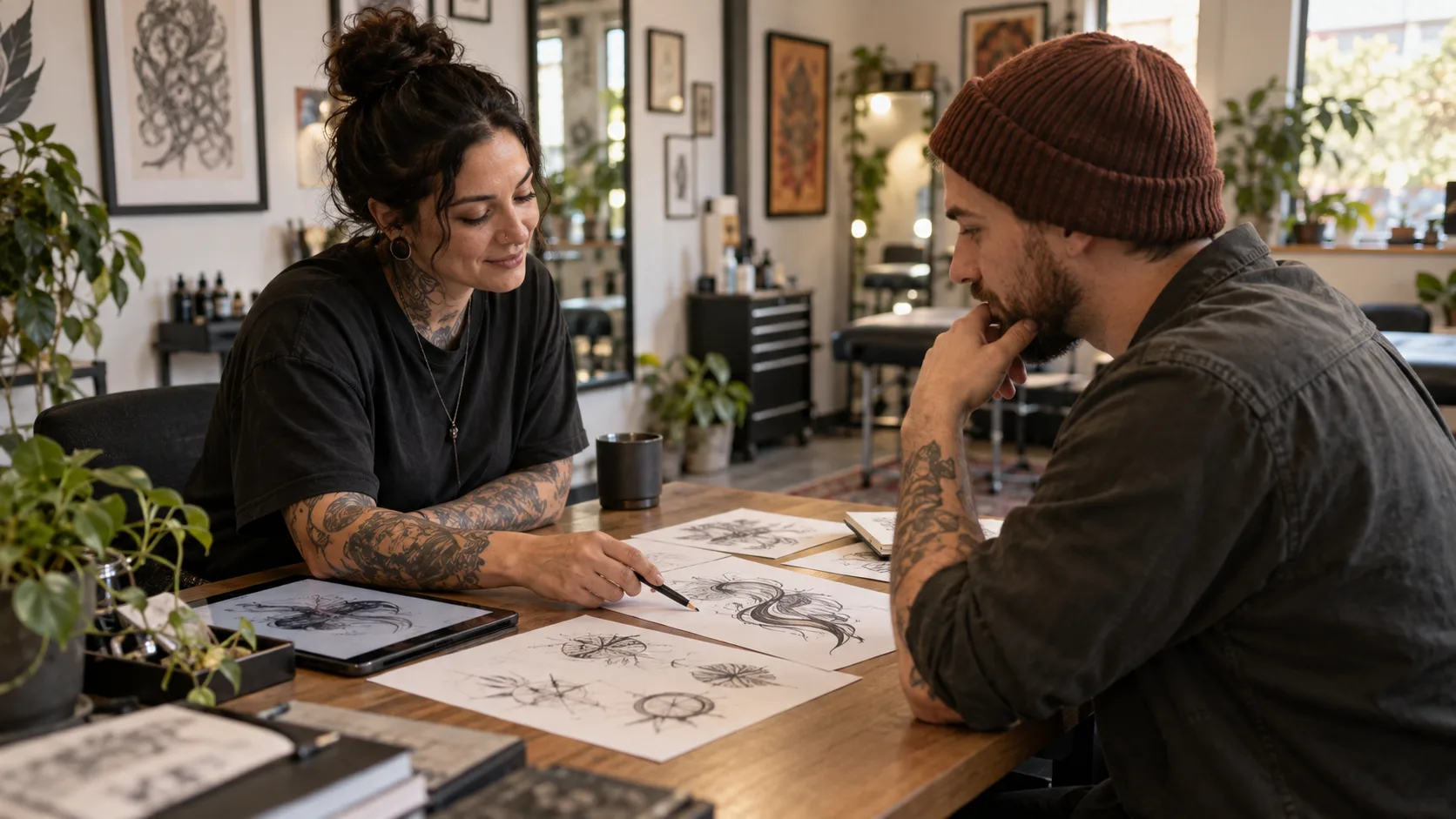
A customer sends three reference images at midnight and asks for a price. By morning, those images, a preferred date and an artist request are scattered across other conversations. An Instagram DM consultation flow for a tattoo studio should not automate the artist's judgement. It should organise the design intent, route the brief to the right artist and expose open questions before an appointment is approved.
What is an Instagram DM pre-consultation?
A pre-consultation gathers the customer's idea, style, approximate scale, placement, scheduling flexibility and artist preference in one brief. The AI assistant does not decide whether a design is feasible, whether a person is medically suitable, how long the work will take or what the final price will be. The artist and authorised studio staff make those decisions.
A good flow fills information gaps without turning a free conversation into a rigid form. When a customer sends a reference image, the assistant should not label it as a ready design to copy. It asks what they like about the image: line work, shading, composition, colour or overall mood. The artist then receives a more useful summary that respects originality boundaries.
What boundary should the first DM reply establish?
The first reply should make three points clear: the conversation collects preliminary information, the appointment is not yet confirmed and health assessments will not happen through DM. The customer receives a prompt response without mistaking automation for artist approval or a medical suitability decision.
Instagram messaging automation depends on professional accounts, app permissions and platform rules around user-initiated conversations. The official Meta getting-started documentation for the Instagram Messaging API should be the current technical reference. A flow should never be designed to send messages outside the timing or scope allowed by the platform.
What belongs in the design brief?
- Idea: the theme the customer wants to express and elements they specifically want to avoid.
- Style: fine line, blackwork, colour, lettering or another approach offered by the studio.
- Approximate scale: the expected visibility and size range rather than a premature exact measurement.
- Placement: body area, side and relationship to existing work, without requesting a health judgement.
- References: what the customer likes in each image and whether the image belongs to them.
- Timing: preferred days, scheduling flexibility and whether the customer is travelling from another city.
- Artist preference: a named artist or openness to the studio's recommendation.
This brief should not produce a firm price. Size, detail, placement, artist availability and design preparation need review before a single figure can be reliable. The assistant can explain which inputs affect pricing and route the case to an artist. The guide to answering price questions helps keep that distinction clear without applying sales pressure.
How should reference images be handled?
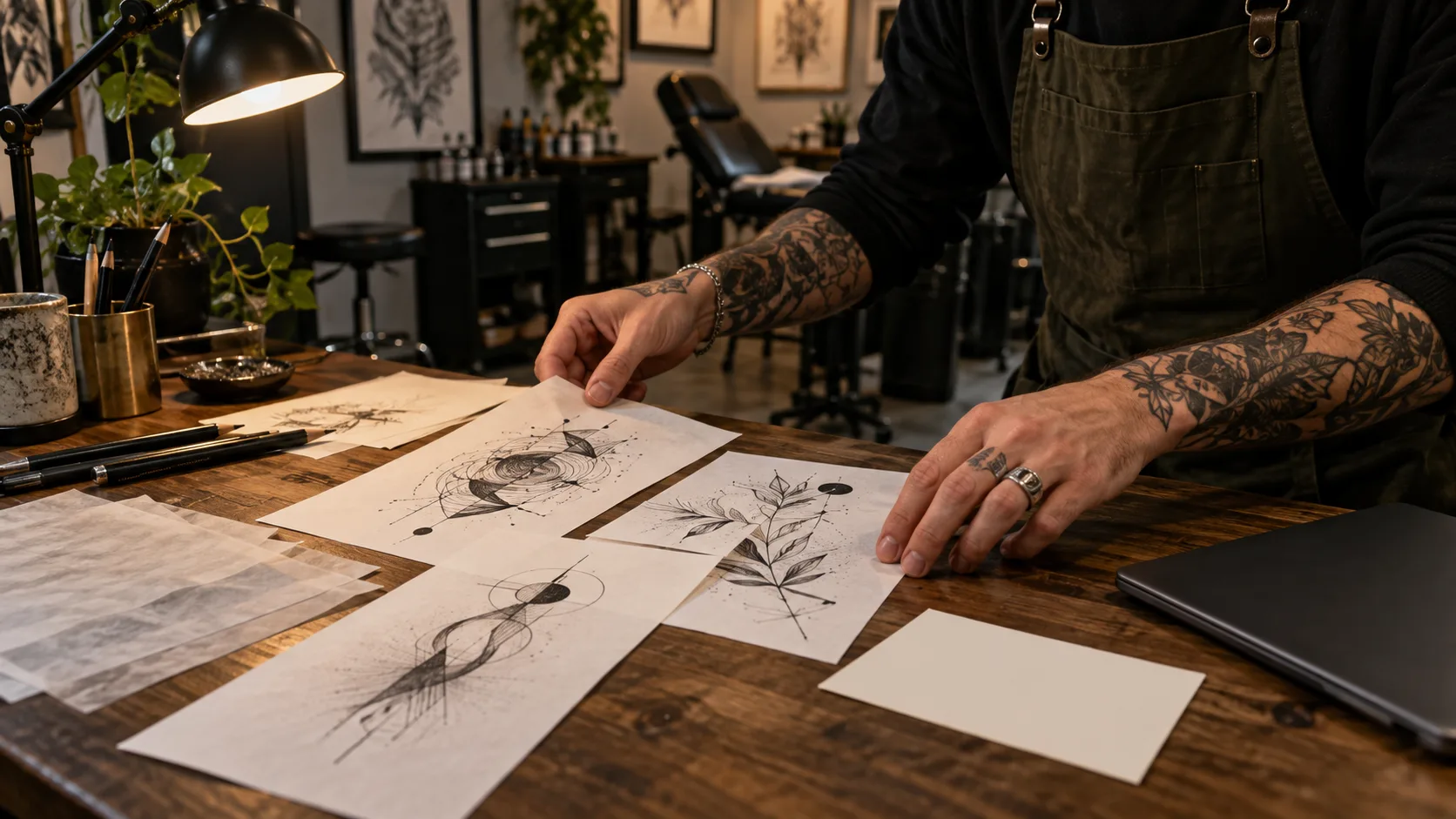
A reference image does not mean the same artwork can be applied. Without assuming ownership or permission, the assistant can ask for the source and the feature the customer likes. A request to copy another artist's original work should not receive automatic approval; it should go to human review under the studio's design policy.
A reference photo may reveal a face, username, location or private conversation. The flow should ask the customer to share only the area needed for the design brief and include a short warning against unnecessary personal details. The studio's published data policy should define retention and access for submitted images.
How should health and personal-data boundaries be protected?
A general DM flow should not request detailed information about skin conditions, medication or medical history. Health information is sensitive personal data and requires stronger protection. Any necessary assessment should take place through a secure, authorised and lawful human process set by the studio; the bot should never diagnose or decide suitability.
The official guidance on sensitive personal data from Turkey's data protection authority explains that this data can be processed only under limited conditions. The business must determine purpose, retention and access according to its own legal obligations. This article provides a workflow design framework, not legal or medical advice.
What should the handoff summary give the artist?
| Summary field | Information from DM | Human decision |
|---|---|---|
| Design direction | Theme, style, scale and excluded elements | Original design approach and feasibility |
| Placement | Area, side and visibility expectation | Composition and technical assessment |
| Reference | Source explanation and preferred features | Copyright and studio policy review |
| Timing | Preferred days and flexibility | Session length and actual availability |
| Commercial terms | Budget expectation and contact preference | Price, deposit, cancellation and booking approval |
The summary should do more than rewrite the customer's messages. It should display contradictions and missing fields. If a customer asks for a very small piece while sharing a densely detailed reference, the assistant should not choose a solution. It should present the tension as an open question for the artist.
The artist should not have to repeat the entire intake after the handoff, although the customer must be able to correct misunderstandings. The live-agent handoff guide shows how to preserve context while making it clear that a person has taken control.
When is the appointment actually confirmed?
A date typed by the customer, an open calendar slot or a time suggested by the bot is not approval by itself. An authorised person should confirm after artist matching, design scope, expected session duration, studio policies and any required deposit process are complete. Messages must distinguish request received from appointment confirmed.
Reminder flows should also follow customer preferences and the studio's current policy. Message timing, cancellation or rescheduling routes and access to a person should be clear. The appointment reminder timing guide can help structure reminders without pressure.
What does a practical Instagram DM flow look like?
- The assistant explains that it is collecting preliminary information and not confirming an appointment.
- It gathers the idea, style, approximate scale, placement and artist preference in short steps.
- It asks what the customer likes in reference images without assuming copying rights or permission.
- It does not request health details in DM and routes such questions to an authorised human process.
- It records date options as requests, leaving real availability and session length to the artist.
- It sends the artist a summary of missing and conflicting fields, then tells the customer the approved next step.
If a customer says they want a small but highly detailed piece on the wrist, the bot should not decide the size or feasibility. It asks which detail in the reference matters most and whether the customer is open to the artist's size recommendation. The artist then makes the technical and aesthetic assessment.
Which automation mistakes occur most often?
The first mistake is presenting image recognition as a design decision. The second is reserving an open calendar slot before the session length is understood. The third is storing health information like an ordinary customer note. The fourth is silently accepting another artist's work as a request for a similar design.
A bot that pushes every conversation toward payment also weakens trust. If the customer is only asking about process, portfolio or artist specialisation, the next message should not immediately be a deposit link. The Instagram DM automation guide provides a broader technical framework for permissions, routing and agent handoff.
How should success be measured?
DM-to-appointment conversion is not enough. Track fields artists ask again, briefs routed to the wrong artist, requests mistaken for confirmed appointments, reference-policy conflicts, deletion requests and last-minute scope changes. Results should not be generalised without naming the period, artist group and request type.
A strong flow does not generate more automatic approvals. It gives artists cases they can review faster and more accurately. Human corrections should feed the question order and knowledge base, with each message tied to the policy version that supported it.
What can BozLat do in this flow?
BozLat can collect idea, style, scale, placement, reference notes and scheduling expectations through Instagram DM, flag missing details and send the artist a sourced summary. Design, medical suitability, duration, price, deposit and appointment approval remain with the studio. Explore the approach in the services section and compare options on the pricing page.
Frequently Asked Questions
Related Articles
9 min read
Instagram DM Intake Guide for Sailing School Enquiries
Qualify sailing lesson enquiries by goal, experience, dates and group details in Instagram DM while leaving level and safety decisions to instructors.
6 min read
WhatsApp Client Communication Automation for Accounting and CPA Offices
How do CPA and accounting offices manage declaration/payment reminders, document collection, and taxpayer questions with a WhatsApp AI assistant?
5 min read
WhatsApp Appointment and Periodic Reminder Automation for Cleaning Companies
How do cleaning companies manage home/office cleaning appointments, periodic reminders, and staff arrival notifications with a WhatsApp AI assistant?
Ready to set up an AI assistant for your business?
View Pricing